
Karoline Leavitt: From Small-Town New Hampshire to the Heart of American Power
In the bright white glare of the West Wing briefing room, Karoline Leavitt stands with the self-possession of someone twice her age. Cameras whir, reporters shout, and the atmosphere thickens with political tension—yet she seems almost unfazed, as if she had been practicing for this moment her whole life. In many ways, she has.
At just twenty-something, Leavitt has become one of the most recognizable voices in Washington. Her ascent to White House Press Secretary—one of the most scrutinized and unforgiving roles in American politics—was as swift as it was improbable. But to understand the phenomenon “Karoline Leavitt,” one must start far from the capital, in a quiet corner of New Hampshire where ambition often takes a different shape.
Roots in New England: where conviction was born
Karoline Leavitt grew up in Atkinson, New Hampshire, a town of modest size and deep community ties. Hers was a childhood steeped in classic New England values: hard work, straight talk, and a sense of civic responsibility that was less taught than absorbed.
Friends from those early years recall a young woman who was “always talking politics,” even before she fully understood its mechanisms. Teachers remember a teenager who gravitated toward debate, local newspapers, and any opportunity to express an opinion with clarity and force.
If the seeds of political life were planted early, college gave them water. At Saint Anselm College, a school with a long tradition of political debate, Leavitt thrived. She majored in politics and communication—a pairing that sounds almost prophetic today—and quickly became known on campus as a sharp writer and relentless worker.
Her internships told a story even then: Fox News, the White House Office of Presidential Correspondence, and communications roles that exposed her to the machinery of messaging. The world of politics was no longer an abstract interest; it was a workplace she intended to inhabit.
A meteoric rise inside the Trump orbit
Leavitt’s big break came in Washington during Donald Trump’s first administration, where she served as an assistant press secretary in her early twenties. She entered an environment defined by rapid news cycles, combative press relations, and a president who dominated headlines globaly. It was trial by fire—but also a place where talent, loyalty, and agility were rewarded.
By the time Trump left office in 2021, Leavitt had gained something invaluable: visibility. She was young, articulate, fiercely loyal, and unmistakably ambitious. Republican leaders took notice.
Her next move—to serve as communications director for Rep. Elise Stefanik—put her at the center of House GOP messaging. It was a role that refined her political instincts and gave her a front-row seat to strategic decision-making.
But Leavitt was not content to remain behind the scenes.
In 2022, she made an audacious decision: she launched a congressional campaign in New Hampshire’s 1st District. She won the Republican primary decisively, branding herself as part of a new generation of conservative leadership—but ultimately fell short in the general election.
Still, the loss did not slow her ascent. Instead, it gave her something indispensable in American politics: name recognition.
The strategist becomes the spokesperson
As the 2024 presidential cycle ramped up, Leavitt joined Trump’s campaign as national press secretary—a title that immediately placed her at the front lines of political combat.
Reporters learned quickly that she was not a traditional spokesperson. Leavitt embraced social media, podcasts, and nontraditional platforms. She framed it as democratizing access; critics saw it as bypassing accountability. Either way, she changed the language and rhythm of campaign communication.
So when Trump won the 2024 election, her promotion to White House Press Secretary felt almost inevitable. She was, in many ways, built for this era: young enough to embody a shifting media landscape, and disciplined enough to manage the torrent of daily messaging required by the administration.
Her first press briefing made headlines worldwide—not for any policy detail, but for her announcement that “new media voices” would share space with traditional outlets. It signaled a redefinition of the information gatekeepers in Washington.
A public figure shaped by personal narrative
While her political ascent captivated supporters and critics alike, Leavitt’s personal life also drew attention beyond Washington’s beltway.
Her relationship with Nicholas Riccio, a real-estate developer significantly older than she, became fodder for tabloids and political commentators. Their engagement, marriage, and the birth of their son “Niko” added complexity to a public persona that was already under scrutiny.
Some observers saw in her openness a strategy—an attempt to present a humanizing counterpoint to the administration’s harder edges. Others saw simply a young woman navigating a very modern kind of public life, where political identity and personal narrative are increasingly inseparable.
Controversy at her doorstep
Leavitt’s tenure has not been without turbulence. The arrest of a family member by immigration authorities thrust her into an uncomfortable spotlight, forcing her to defend policies now affecting her own extended circle. Such moments test both political loyalty and personal vulnerability—and often reveal the contours of a spokesperson’s character.
For Leavitt, it marked a transition from rising figure to fully formed political actor. No longer just the messenger, she became part of the story herself.
What her rise reveals
Karoline Leavitt represents more than a generational change. Her journey captures a broader transformation in American politics:
- Youth no longer bars entry to high office; in some cases, it accelerates it.
- Media literacy is now as essential as policy literacy.
- Political communication is shifting toward influencers, alternative platforms, and a new kind of public engagement.
- Personal narratives—marriage, motherhood, family challenges—are no longer separate from political identity.
Whether one admires or criticizes her, Leavitt stands as a symbol of the evolving relationship between politics, media, and the public. Her story is still being written, shaped every day in the press room where she walks a tightrope between information and messaging, transparency and strategy.
From a small New Hampshire town to the highest podium in the land, Karoline Leavitt’s rise is a portrait of modern political ambition—swift, strategic, and unmistakably American.
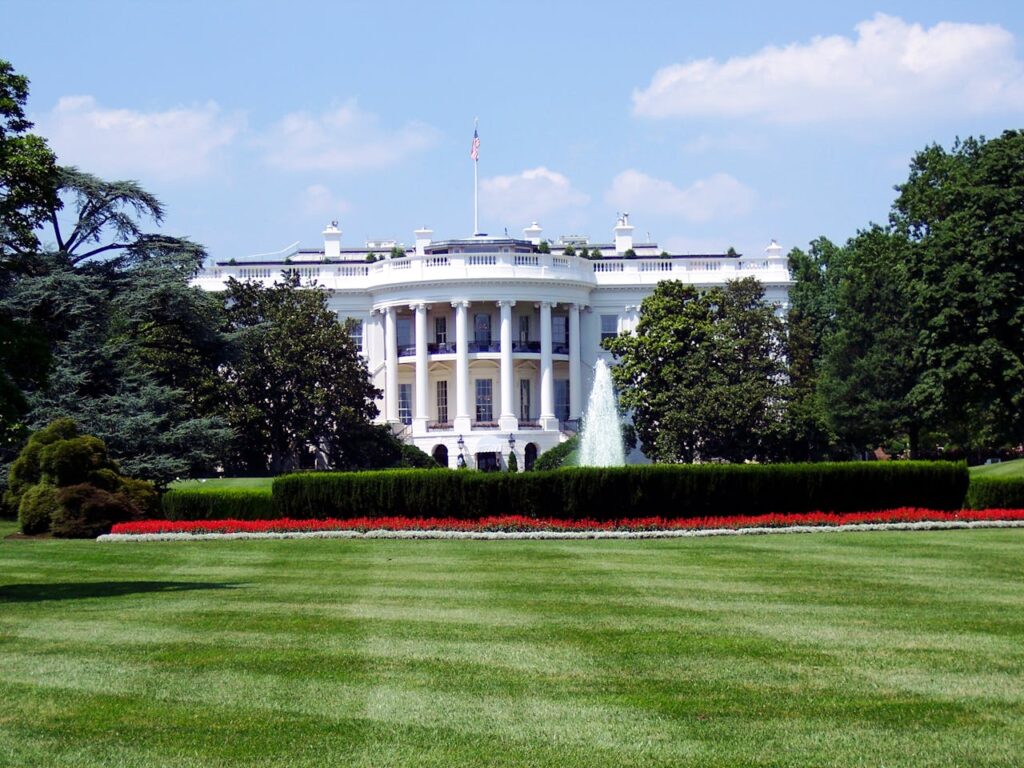
Foto di Aaron Kittredge: https://www.pexels.com/it-it/foto/casa-bianca-129112/